

Two great school pianos. One built to do more.
If you walk into almost any school music room, you will likely see one of these two models. Both are purpose built institutional uprights. Both are durable. Both include the safety and mobility features schools require.
But they do not feel the same over time.
Let’s break it down quickly and clearly.
Why the Yamaha P22 Works in Schools
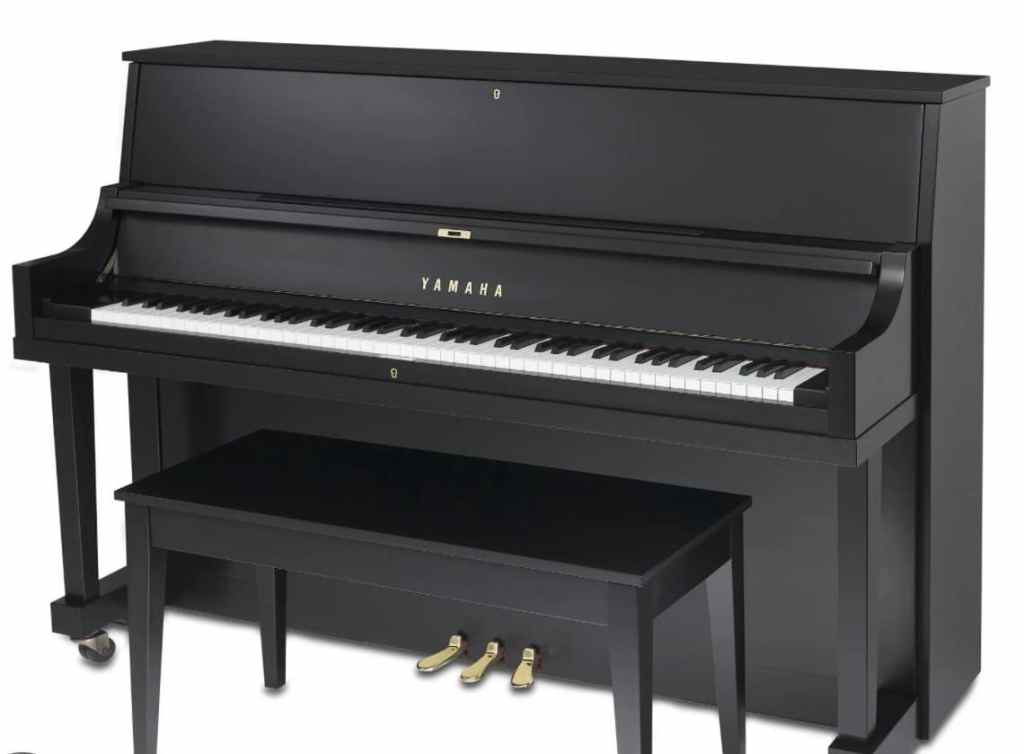
Yamaha designed the P22 specifically for institutional use.
What schools like about it:
Solid spruce soundboard Five back posts for strength Locking fallboard and lid Practice mute pedal Wide music rack Proven track record in schools
Yamaha also seasons wood for destination climates to improve stability .
The P22 is a safe choice. Reliable. Familiar to technicians. Built to take daily use.
Why the Kawai ST-1 Stands Out
The ST-1 was engineered with a slightly different mindset:
Not just durability — but long term consistency and control for students.
1. Millennium III Action (ABS Carbon)
Kawai uses carbon reinforced ABS parts in the action that resist swelling and shrinking from temperature and humidity changes .
Why that matters in schools:
Fewer seasonal touch changes More consistent regulation More uniform feel across classrooms
In buildings where HVAC is inconsistent, this is huge.
2. Longer Key Sticks = More Control
Kawai specifically designs the ST-1 with longer keys for more consistent leverage and control .
What that means for students:
More even touch whether they play at the front or back of the key Better control for pianissimo Easier power without forcing tone Less “heavy in the back” feeling
Students are learning technique. They should not fight the key leverage.
3. Tapered Solid Spruce Soundboard
The ST-1 uses a solid spruce soundboard with a large surface area .
Why this matters musically:
Takes less force to excite the soundboard Better response at soft dynamics Stronger, fuller forte without harshness Wider expressive range
In plain language:
You can make it whisper.
And you can make it sing.
4. Built for Schools
The ST-1 includes:
Double runner institutional casters Double locking fallboard and lid system Practice mute pedal Extra wide music rack
It checks every institutional requirement box.
So Which Is Better for School?
Both are good.
The Yamaha P22 is dependable and familiar.
But the Kawai ST-1 gives schools:
More stable action in changing climates More uniform touch for developing students Greater expressive range Less long term regulation drift
For a home piano, that might be preference.
For a school piano, that consistency and control matter every single day.
If you are choosing for durability alone, either works.
If you are choosing for durability plus student development and long term consistency, the Kawai ST-1 is the stronger instrument.