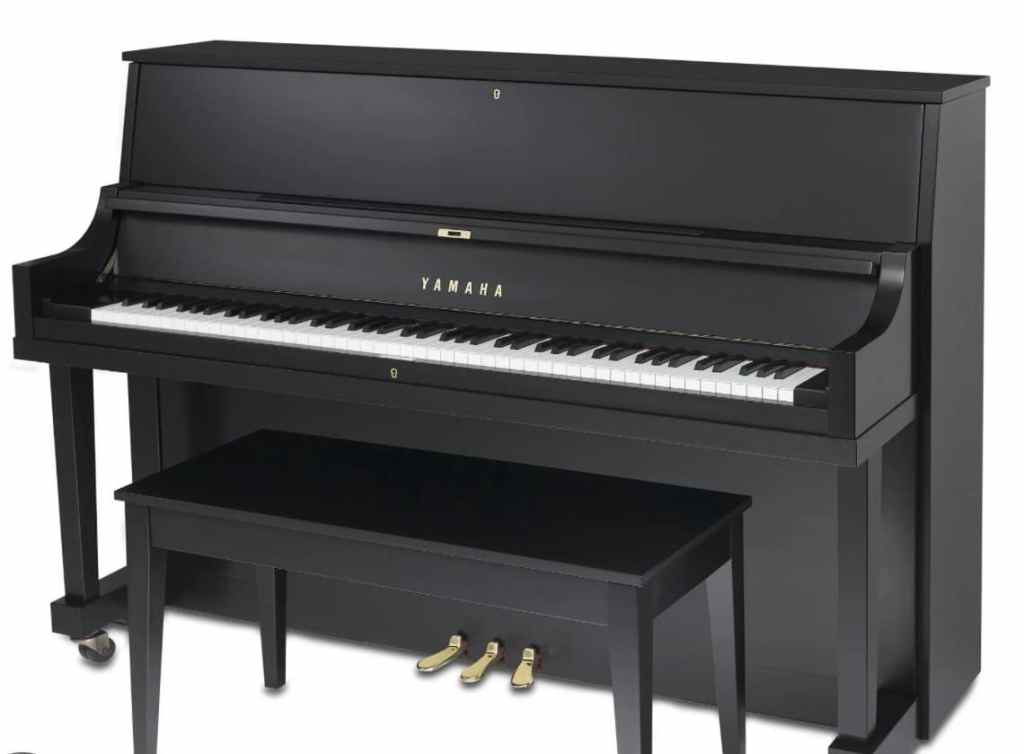
Piano Dealers – Baby Grand Pianos – Upright Pianos – New Pianos – Used Pianos – Yamaha, Baldwin Piano Company, Boston Piano Co., Chickering, Estonia, Essex Piano Company, Kawai, Krakauer, Petrof, Pearl River Piano Group, Samick, Schimmel, Steinway & Sons, Story & Clark, Young Chang

Discover how learning piano can support mental health, reduce stress, improve focus, and give children and adults a meaningful creative outlet.

Music has a special way of reaching us. A song can calm us down after a long day, bring back a memory, lift our mood, or help us express feelings that are hard to put into words. For many people, music is more than entertainment. It becomes a source of comfort, focus, confidence, and emotional balance.

At Worldwide Music School, we see this every day. Students come to piano lessons for many reasons. Some want to learn their favorite songs. Some parents want their children to build discipline and confidence. Some adults finally want to do something creative for themselves. But over time, many students discover another benefit. Piano becomes a place to slow down, breathe, think, and feel better.

Learning piano is not just about notes on a page. It is about giving the mind something meaningful to focus on.

Music Can Help Reduce Stress

Most people already know from experience that music can change the way they feel. A peaceful song can soften a stressful moment. An upbeat rhythm can bring energy into the room. A familiar melody can make someone feel less alone.

Playing music can take that even further. When you sit at a piano, your attention shifts away from the stress of the day and toward the sound, rhythm, motion, and feeling of the music. Your hands are moving. Your ears are listening. Your eyes are following patterns. Your mind is engaged in the present moment.

That combination can be very powerful.

For children, this can be a healthy way to release energy and emotions. For teens, piano can become a positive outlet during a busy school year. For adults, even a few minutes of playing can feel like a reset from work, responsibilities, and constant screen time.

You do not have to be an advanced musician to experience this. Even simple music can be calming when it gives the brain a focused, creative activity.

Piano Encourages Mindfulness

Mindfulness simply means paying attention to the present moment. You do not need to sit silently in a room to practice it. Piano can create a natural form of mindfulness because it asks you to listen closely and respond in real time.

When you play piano, you notice things like:

The weight of your fingers on the keys

The sound of each note

The shape of a melody

The feeling of rhythm

The difference between playing softly and loudly

The coordination between both hands

These small details pull your attention into the moment. Instead of thinking about everything at once, your mind focuses on one meaningful task.

This is one reason piano can be helpful for people who feel mentally scattered. It gives structure to attention. It turns focus into sound. It makes concentration feel rewarding.

Music Gives Emotions a Healthy Outlet

Not every feeling is easy to explain. Sometimes a student may feel frustrated, nervous, sad, excited, or overwhelmed, but not have the words for it. Music gives those feelings somewhere to go.

A slow piece can help someone process a heavy mood. A lively piece can bring joy and movement. A dramatic piece can give energy to emotions that might otherwise stay bottled up.

This is especially important for children and teens. Piano lessons can help them develop emotional awareness without forcing them to talk about every feeling directly. They learn that music can express many moods, and they begin to recognize those moods in themselves.

For adults, piano can be just as meaningful. Many adults spend years focusing on work, family, and obligations. Returning to music, or starting for the first time, can feel like reclaiming a personal part of life.

Piano Builds Confidence

Mental health is not only about reducing stress. It is also about building confidence, purpose, and a sense of progress.

Piano does this beautifully because growth is visible. A student starts with a few notes. Then a short melody. Then a full song. Each step shows them that improvement is possible.

This matters for children because they learn that effort leads to progress. They learn patience. They learn how to work through mistakes. They learn that being “bad” at something in the beginning is not failure. It is part of learning.

Adults need this reminder too. Many adults are afraid to start because they think it is too late, or they worry they will not be good enough. But piano is not limited to children. Adults can make real progress, and the process itself can be deeply rewarding.

Every small success builds confidence.

Piano Supports Brain Health

Learning an instrument challenges the brain in many ways at once. A pianist reads patterns, listens to sound, coordinates both hands, follows rhythm, uses memory, and makes musical decisions. That is a full brain workout.

This is one reason music study is often connected with cognitive benefits. Piano asks the brain to stay active, flexible, and engaged. It combines creativity with structure.

For older adults, this can be especially valuable. Learning something new keeps the mind challenged. Piano also offers a sense of routine and accomplishment, which can support overall well being. Research has even looked at how piano training may help support brain structure in older adults, especially when compared with more passive music activities.

The important point is simple. Piano is active. You are not just consuming sound. You are creating it.

Music Can Help Create Better Daily Routines

A healthy routine can make a big difference in mental well being. Piano practice gives students a positive habit that can fit into daily life.

This does not mean practicing for hours. Even ten to fifteen minutes a day can be meaningful, especially for beginners. The goal is not perfection. The goal is consistency.

A short piano routine can become:

A calming start to the day

A break after school

A screen free evening activity

A way to relax before bed

A creative outlet after work

For families, music can also bring people together. A child practicing at home, a parent listening, or siblings singing along can turn music into a shared experience.

You Do Not Need to Be “Musical” to Benefit

One of the biggest myths about piano is that you must already have talent to begin. That is simply not true.

Beginners can start with simple patterns, basic chords, familiar songs, and easy melodies. The emotional benefits of music do not require advanced technique. A student can enjoy the feeling of playing long before they become highly skilled.

This is especially encouraging for adults who may have waited years to begin. You do not need to read music perfectly. You do not need to have fast fingers. You do not need to know theory before you start.

You just need a willingness to learn.

Piano Lessons Add Personal Connection

While online videos and apps can be helpful, private lessons add something important: human connection.

A good teacher notices when a student is frustrated. They know when to slow down, when to encourage, and when to celebrate progress. They help students feel supported, not judged.

That support matters. A student who feels safe is more likely to keep going. A student who feels encouraged is more likely to believe in themselves. A student who enjoys lessons is more likely to build music into their life long term.

At Worldwide Music School, we believe music education should be personal. Every student has different goals, different learning styles, and different reasons for wanting to play.

Piano Is More Than a Skill

Learning piano gives students something they can carry with them for life. It can become a hobby, a discipline, a comfort, a creative outlet, and a source of joy.

In a world filled with distractions, stress, and constant noise, piano gives people a chance to make something beautiful with their own hands. That is powerful.

Whether you are a parent looking for a positive activity for your child, a teen who needs a creative outlet, or an adult who has always wanted to learn, piano can be a wonderful place to start.

Music will not solve every problem. It is not a replacement for professional mental health care when that is needed. But it can be a meaningful part of a healthier, more balanced life.

And sometimes, sitting down at the piano and playing a few notes is exactly the kind of peace we need.

Start Learning Piano With Worldwide Music School

Worldwide Music School offers piano lessons for children, teens, and adults at every level. Whether you are brand new or returning after many years, our teachers can help you build confidence, enjoy the process, and make music part of your life.

If you have been thinking about starting lessons, this is a great time to begin. Piano is not just something you learn. It is something that can support your mind, your mood, and your everyday life.

When shoppers compare small grand pianos, two names often rise to the top: the Kawai GL 20 and the Yamaha GC1. Both are compact Japanese grand pianos from respected manufacturers. Both fit beautifully in homes, teaching studios, churches, and smaller performance spaces. Both offer the elegance, repetition, and musical response of a real grand piano without requiring the footprint of a larger 6 foot instrument.

But while the Yamaha GC1 is a very good piano, the Kawai GL 20 makes a stronger case as the more advanced, more expressive, and more complete musical instrument.

Kawai lists the GL 20 at 157 cm, or about 5 feet 2 inches, with the Millennium III action, longer keys, a solid spruce tapered soundboard, duplex scaling, and 661 lb weight. Yamaha lists the GC1 at 5 feet 3 inches, with duplex scaling, a soft close fallboard, and a 627 lb weight.  

The Case for the Yamaha GC1

The Yamaha GC1 deserves respect. Yamaha has earned a strong reputation for consistent manufacturing, clear tone, and dependable performance. For many players, the GC1 delivers exactly what they expect from Yamaha: a clean, bright sound, a familiar touch, and a compact size that works well in a living room or studio.

The GC1 is also slightly longer than the Kawai GL 20, measuring 5 feet 3 inches compared with the GL 20’s 5 feet 2 inches. In small grands, every inch can help with bass string length and tonal presence, so Yamaha’s extra inch is worth noting. Yamaha also includes duplex scaling and a soft close fallboard, both features that add musical and practical value.  

For someone who specifically loves the Yamaha sound, especially a brighter and more immediate tone, the GC1 can be a very satisfying piano.

The Case for the Kawai GL 20

The Kawai GL 20 is where this comparison gets more interesting. On paper, it is only one inch shorter than the Yamaha GC1. In practice, it feels like a more serious musical instrument than its size suggests.

The GL 20 sits in a very important sweet spot within the Kawai GL Series. It is still compact enough for most homes, but it is large enough to give the player a fuller bass response, more tonal color, and a more satisfying playing experience than many entry level baby grands. It costs less than the larger GL models, yet it still includes the essential design features that make the GL Series so compelling.

Kawai describes the GL 20 as a 5 foot 2 inch grand with the Millennium III action, longer keys, solid spruce tapered soundboard, duplex scaling, and SOLID construction, which is Kawai’s stretcher overlap integrated design.  

Action: Why Kawai Has the Advantage

The biggest difference between these two pianos is the action.

The Yamaha GC1 has a good action. It is dependable, familiar, and responsive. But the Kawai GL 20 has the Millennium III Grand Action, which is one of the strongest reasons to choose Kawai in this category.

Kawai’s Millennium III action uses ABS Carbon components, which are designed for strength, stability, speed, and consistency. Wood is a wonderful material for many parts of a piano, but in an action mechanism, consistency matters. Changes in humidity can affect traditional wooden action parts over time. Kawai’s use of advanced composite materials helps create an action that is stable, responsive, and built for long term performance.

For a pianist, that means more control. Softer playing feels easier to shape. Fast passages feel more secure. Repeated notes respond more cleanly. Dynamic changes feel more predictable.

This is not just a technical difference. It is something a player can feel.

Longer Keys: More Control at the Keyboard

The Kawai GL 20 also benefits from longer keys. This is a major advantage in a compact grand piano.

Longer keys improve leverage. That matters because the player does not always play at the very front edge of the keys. In real music, your hands move in and out of the keyboard. You play between black keys, you voice chords, you shape inner lines, and you need control across the entire playing surface.

Longer keys make the action feel more even from front to back. They help the player maintain control when playing closer to the fallboard. This is one reason the GL 20 can feel more like a larger grand than its size would suggest.

For students, teachers, and serious players, this is a real advantage. It makes the piano more forgiving, more expressive, and more satisfying to play over time.

Tone: Warmth, Color, and a Tapered Soundboard

The Yamaha GC1 has a clear, recognizable Yamaha tone. It is bright, clean, and direct. Many players like that sound, especially for pop, contemporary music, worship music, and settings where clarity is important.

The Kawai GL 20, however, offers a warmer and more colorful tonal palette. Its solid spruce tapered soundboard is a major part of that. Kawai explains that the GL Series soundboards are made from straight grained, quarter sawn solid spruce and are strategically tapered to allow proper resonant movement in different regions of the board.  

That tapered board design helps the GL 20 produce a tone that is not just loud or clear, but musical. It gives the piano a singing quality, with warmth in the midrange and more color in the treble. The bass is also impressive for a piano of this size, especially because the GL 20 is large enough to move beyond the limitations of the very smallest baby grands.

This is why the GL 20 often feels like the practical sweet spot in the GL lineup. It is not as expensive as the larger GL models, but it gives you enough size, enough bass, and enough tonal depth to feel like a serious grand piano.

Build Philosophy: Kawai’s Piano Focus Matters

Another important difference is company philosophy.

Yamaha is an enormous and impressive corporation. It makes pianos, digital instruments, guitars, drums, audio equipment, professional sound gear, and many other products. That scale has advantages, and Yamaha’s consistency is one of the reasons people trust the brand.

Kawai, however, is far more piano focused. Kawai’s identity is centered around acoustic pianos, digital pianos, hybrid pianos, and piano action technology. That focus shows in the GL Series. Kawai is constantly refining action design, materials, soundboard construction, rim design, and manufacturing methods around one central goal: building better pianos.

The GL Series benefits from that philosophy. Features and ideas from Kawai’s higher end instruments eventually influence the more affordable lines. That means the GL 20 is not simply a budget grand. It is a compact grand that carries meaningful Kawai technology in its design.

The Trickle Down Advantage

One of the strongest reasons to choose the Kawai GL 20 is that Kawai’s technology tends to trickle down from its top end pianos into its more accessible models.

Kawai’s highest level instruments, including the Shigeru Kawai line and the GX Series, represent the company’s most advanced piano building ideas. Over time, many of Kawai’s design priorities, including action stability, longer key design, soundboard efficiency, structural rigidity, and tonal control, influence the GL Series.

That is what makes the GL 20 such a strong value. It gives the buyer access to real Kawai grand piano engineering without requiring the price of a larger GX or Shigeru Kawai instrument.

Awards and Recognition

The Kawai GL Series has also received major industry recognition. In 2016, MMR Magazine named the Kawai GL Series Grand Pianos its Product of the Year, and Kawai’s acoustic pianos later received MMR Acoustic Piano Line of the Year recognition in 2022 and 2023.  

That matters because these are dealer voted awards. Piano dealers see what sells, what holds up, what customers respond to, and what instruments deliver value year after year. The GL Series earning that kind of recognition reinforces what many players already feel when they sit down at the GL 20: this is one of the strongest small grand piano values on the market.

Why the GL 20 Is the Sweet Spot

The GL 10 is a great entry into the Kawai grand piano world, but the GL 20 gives you more piano without becoming too large or too expensive. That is why it may be the sweet spot of the GL lineup.

It is still compact. It still works in most homes. It is still more affordable than the larger GL models. But at 5 feet 2 inches, it has enough scale length and soundboard area to produce a more satisfying tone than many smaller baby grands. Add the Millennium III action, longer keys, tapered soundboard, and Kawai’s build quality, and the GL 20 becomes a very compelling choice.

For families, advancing students, teachers, churches, and serious adult players, the GL 20 offers an unusually strong combination of size, price, tone, and touch.

Final Verdict: Yamaha GC1 Is Good, Kawai GL 20 Is Better

The Yamaha GC1 is a good piano. It is compact, attractive, consistent, and backed by one of the most recognized names in music. Players who prefer a brighter Yamaha tone may enjoy it very much.

But when comparing the two as musical instruments, the Kawai GL 20 comes out ahead.

The GL 20 offers a more advanced action, longer keys, a solid spruce tapered soundboard, impressive tonal warmth, strong bass for its size, and the benefit of Kawai’s piano focused engineering. It feels less like a compromise and more like a serious grand piano designed for real musical growth.

The Yamaha GC1 is a fine small grand.

The Kawai GL 20 is the smarter small grand.

For buyers looking for the best balance of performance, size, price, and long term musical satisfaction, the Kawai GL 20 is the prime choice in this small grand showdown.

For serious pianists, choosing a digital piano is not just about features. It is about touch, tone, control, repetition, pedaling, and how naturally the instrument responds under the hands. This becomes especially important for a concert pianist, where small differences in action and sound can affect musical expression.

Two of Kawai’s most respected digital instruments are the Kawai MP11SE and the Kawai CA701. Both are excellent, but they are designed for different kinds of players and different musical settings.

The MP11SE is a professional stage piano built for performance, portability, and control. The CA701 is a premium console digital piano designed to give pianists a more complete acoustic-style playing experience at home, in a studio, or in a teaching environment.

So which one is better for a concert pianist?

For most serious classical pianists, the answer is the Kawai CA701.

The Main Difference: Stage Piano vs. Home Concert Instrument

The Kawai MP11SE is one of the most respected stage pianos ever made for pianists who care deeply about touch. It has Kawai’s Grand Feel wooden-key action, powerful concert grand piano sounds, and professional stage controls. It is ideal for gigging musicians, worship pianists, pit orchestra players, studio players, and anyone who needs a high-quality piano they can connect to external speakers or a professional sound system.

The Kawai CA701, on the other hand, is built to feel more like a complete piano. It has a furniture-style cabinet, an integrated pedal system, a powerful speaker system, and Kawai’s newer Grand Feel III wooden-key action. It is designed for pianists who want to sit down and experience an instrument that feels, sounds, and responds more like an acoustic grand piano in a room.

That difference matters.

A concert pianist is usually not only looking for a good keyboard. They are looking for an instrument that supports musical detail, tone shaping, repetition, pedaling, and long practice sessions. In that setting, the CA701 has the advantage.

Touch and Action

The action is the most important part of this comparison.

The MP11SE uses Kawai’s Grand Feel wooden-key action, which is excellent. It includes 88 wooden keys, grade-weighted hammers, let-off simulation, triple sensor key detection, and counterweights. For a stage piano, this is a very serious action and one of the reasons the MP11SE has such a strong reputation among advanced pianists.

The CA701 uses Kawai’s newer Grand Feel III wooden-key action. This action also uses long wooden keys, grade-weighted hammers, let-off simulation, triple sensor detection, and counterweights, but it is the more refined action in Kawai’s current Concert Artist console line.

For a concert pianist, that refinement matters. The CA701 gives the player a more natural sense of control, especially when playing softly, voicing chords, shaping lyrical lines, or working on repertoire that requires subtle dynamic control.

The MP11SE feels excellent. The CA701 feels more like a piano you would want to practice on every day.

Sound and Speaker Experience

This is another major difference.

The MP11SE has excellent Kawai piano sounds, including Shigeru Kawai and Kawai concert grand samples. However, it does not have built-in speakers. It is meant to be used with headphones, studio monitors, stage amplification, or a PA system.

That is perfect for performance, but it changes the playing experience.

The CA701 has a built-in premium speaker system designed to project sound through the cabinet and into the room. This gives the player a more natural experience when practicing without headphones. For classical pianists, hearing the sound bloom into the room is important. It affects phrasing, pedaling, balance, and the way the pianist connects physically and emotionally with the instrument.

A concert pianist practicing on the CA701 will usually feel more connected to the sound than on an MP11SE connected to basic speakers or headphones.

Pedaling and Musical Control

Pedaling is another area where the CA701 feels more like a complete piano.

The MP11SE includes Kawai’s GFP-3 triple pedal unit, with damper, soft, and sostenuto pedals. It is a strong pedal system for a stage instrument and is far better than the simple sustain pedals found with many portable keyboards.

The CA701 has Kawai’s Grand Feel Pedal System, built directly into the cabinet. It is designed to replicate the pedal weighting of a concert grand piano, including half-pedal support. For advanced classical playing, this gives the pianist a more stable and realistic pedaling experience.

For serious repertoire, that matters. The pedal is not just an on/off switch. It is part of the musical expression.

Portability and Professional Use

This is where the MP11SE wins.

If the pianist needs to move the instrument, perform on stage, connect to a professional sound system, control external sounds, or use it as a MIDI controller, the MP11SE is the better choice.

It is not lightweight, but it is still a stage piano. It was designed to be transported and used in professional settings. It also gives the player direct access to sound sections, splits, layers, and performance controls.

The CA701 is not meant to be moved regularly. It is a furniture-style console digital piano. Once it is placed in a home, studio, church, or teaching room, it is meant to stay there.

So the choice depends heavily on the pianist’s use case.

If the pianist is performing live, choose the MP11SE.

If the pianist is practicing seriously every day, choose the CA701.

Which One Feels More Like a Real Piano?

For most concert pianists, the CA701 will feel more like a true piano experience.

That does not mean the MP11SE is inferior. In fact, the MP11SE remains one of the best stage pianos ever made for players who prioritize action. But because it is a stage piano, it depends heavily on the quality of the speakers, monitors, headphones, or sound system connected to it.

The CA701 gives the pianist the action, sound system, pedals, cabinet, and playing position all in one complete instrument.

For a pianist who is used to acoustic grands, that complete experience is important.

Best Choice by Player Type

Choose the Kawai MP11SE if you:

  • Need a professional stage piano
  • Perform live
  • Want to connect to external speakers or a PA system
  • Need MIDI controller features
  • Need a portable instrument, even if it is still heavy
  • Want one of the best piano actions available in a stage format

Choose the Kawai CA701 if you:

  • Want the better home practice instrument
  • Are a classical or concert pianist
  • Want a more acoustic-like playing experience
  • Care about built-in sound projection
  • Want a stronger pedal and cabinet experience
  • Need an instrument for a home, lesson studio, or showroom
  • Want something that feels more like sitting at a real piano

Final Recommendation

For a concert pianist, the Kawai CA701 is the stronger choice.

The MP11SE is an outstanding professional stage piano, but the CA701 offers a more complete piano experience. Its Grand Feel III wooden-key action, built-in pedal system, premium speaker design, and console cabinet make it better suited for serious practice, classical repertoire, teaching, and daily playing.

The MP11SE is best for the stage.

The CA701 is best for the pianist.

For players who want an even more acoustic-like experience, the next step above the CA701 would be the Kawai CA901, which adds Kawai’s soundboard speaker system, or one of Kawai’s Novus hybrid models for the closest connection to a true acoustic piano action.

At Worldwide Piano, we recommend the Kawai CA701 for pianists who want a serious digital piano that supports advanced playing, expressive control, and long-term musical growth.

free piano vs. refurbished piano

If you have been searching for a free piano, a Facebook Marketplace piano, or a cheap used piano online, you are not alone. Every day, families browse Facebook Marketplace, Craigslist, estate sales, and local classified listings hoping to find a great piano at a drastically reduced price.

Many of those listings sound tempting:

  • Free piano, just needs tuning
  • Great starter piano
  • Must go fast
  • Old family piano
  • Perfect for beginners

At first glance, these pianos may seem like an incredible bargain. But in reality, many free pianos and cheap Facebook Marketplace pianos can become extremely expensive once you factor in moving, tuning, repairs, cleaning, regulation, and hidden internal problems.

At Worldwide Piano, we have seen it over and over again. A piano listed as “free” or “just needs tuning” often turns into a headache that costs as much as, or even more than, a professionally prepared piano from our showroom.

The Biggest Lie in Free Piano and Facebook Marketplace Piano Listings

One of the most common phrases in online piano listings is this:

“Just needs tuning.”

This is one of the most misleading statements in the used piano market.

A piano that has not been tuned or maintained in years, or even decades, often needs far more than a routine tuning. In many cases, it may need a pitch raise, multiple service visits, action regulation, parts replacement, deep internal cleaning, and expensive repairs. In some cases, it may not hold a tuning at all.

That “free piano” may actually have serious hidden issues involving the tuning pins, pinblock, soundboard, bridges, action parts, keys, pedals, or cabinetry. Once these problems start adding up, the cost can quickly become far greater than expected.

Why a Free Piano Is Often Not Free

Many buyers focus only on the purchase price. If the piano is free, they assume they are saving money. But the piano itself is only one part of the real cost.

Here is what a “free piano” often still requires:

  • Professional piano moving
  • Stair or difficult access charges
  • Initial tuning or pitch raise
  • Additional tunings
  • Regulation and touch adjustment
  • Repair of worn or broken action parts
  • Deep internal cleaning
  • Odor removal
  • Pest cleanup
  • Cabinet repair or refinishing
  • Ongoing service because the piano still does not perform correctly

By the time the dust settles, many families realize their “free piano” cost as much as one of our prepped and refurbished pianos, sometimes even more.

Common Hidden Problems in Cheap Used Pianos

A piano can look presentable in online photos and still have major internal problems. Cabinet appearance alone tells you very little about the true condition of the instrument.

Some of the most common hidden failure points include:

Loose tuning pins and failing pinblocks

If the tuning pins are loose, the piano may not hold a tune. This is one of the biggest warning signs in an older neglected piano. Pinblock issues can be extremely expensive and labor intensive to address.

Cracked soundboards and bridge damage

Cracks in the soundboard or bridge can affect the piano’s tone, stability, and long term value. Some issues are minor, others are major, but most buyers on Facebook Marketplace have no way to know the difference.

cracked soundboard
cracked soundboard

Worn wippens, jacks, flanges, hammers, and action parts

worn out action, broken action parts.

These components are critical to the feel and performance of the piano. If they are worn, sluggish, damaged, or deteriorated, the piano may play poorly or unreliably. Rebuilding or correcting action issues takes skilled labor and real expense.

Sticking keys and pedal problems

sticking keys sluggish keys

Keys that stick, uneven touch, poor repetition, and malfunctioning pedals are all common in neglected pianos. These issues may seem minor until the repair estimate comes in.

Mouse infestation and contamination

This is far more common than many buyers realize. Older pianos stored in basements, garages, barns, or spare rooms can contain mouse nests, droppings, foul odors, and chewed felt or cloth parts. These are serious issues, not cosmetic ones.

Long term neglect

When a seller says the piano belonged to an older relative and has not been used in years, that often means it has not been serviced in years either. Lack of maintenance is one of the biggest red flags in the used piano market.

Why Worldwide Piano Does Not Sell Problem Pianos

At Worldwide Piano, we take in many older trade ins. Some are worth restoring. Many are not.

We throw out many older trade ins that never make the cut. While some dealers may choose to sell those pianos for $1,000 or less, that is not how we do business. We have a reputation to protect, and we never want to sell you a headache.

That means if a piano is on our floor, it is there because we believe it is worth owning.

What Makes a Worldwide Piano Different?

When you buy from Worldwide Piano, you are not just buying a used piano. You are buying a piano that has been selected, prepared, and backed by professionals who care about quality and long term customer satisfaction.

Our technicians go over the cabinetry, tuning, regulation, touch, and musical condition of the pianos we sell. We put real work into our instruments so our customers can enjoy them with confidence.

Instead of dragging home an unknown problem from Facebook Marketplace, you are getting a piano that has already been examined and prepared with care.

Cheap Piano Now, Expensive Repairs Later

One of the biggest mistakes piano shoppers make is focusing only on the upfront price. A cheap piano is not always a cheap piano. Often, it is a repair project in disguise.

Piano repairs are specialized and labor intensive. Fixing regulation problems, replacing worn action parts, correcting sticking keys, addressing structural issues, or cleaning out years of neglect can cost far more than most buyers expect.

That is why so many shoppers who start out looking for a free piano or a Facebook Marketplace piano eventually realize that buying a properly prepared piano from a trusted dealer is often the smarter financial move.

We Accept Credit Cards and Financing Is Available

Many buyers search for a free piano because they assume a dealer piano will be out of reach financially. That is not necessarily true.

At Worldwide Piano, we accept credit cards, and we also offer financing. At certain times, 0% financing may be available for qualified buyers and select promotions.

That means you may be able to purchase a much better piano, one that has already been professionally prepared and backed by a reputable local dealer, without taking the risk of an unknown private sale.

Fully Insured Piano Movers Protect Your Piano and Your Home

This is another major issue many buyers overlook.

A piano is one of the heaviest and most difficult items to move safely. Improper moving can damage the piano, walls, floors, stairs, railings, entryways, and more. A bad move can cost more than the piano itself.

At Worldwide Piano, the movers we use are fully insured. That is incredibly important because they are helping protect both your new investment and your home.

There are many discount, uninsured movers out there. If something goes wrong and your house or piano is damaged, you could be stuck with a repair bill that is far more costly than expected.

Buying a piano is important. Getting it into your home safely is just as important.

Our Lifetime Upgrade Policy Adds Long Term Peace of Mind

One of the biggest advantages of buying from Worldwide Piano is our lifetime upgrade policy.

If your piano ever fails beyond your 3, 5, or 10 year guarantee period, you may still be able to trade it in toward a higher end, more expensive piano and receive full credit back, subject to specific criteria and approval. Please see salesperson for details.

That gives you long term value and flexibility that a free piano or private marketplace piano simply cannot offer.

When You Buy From Worldwide Piano, You Also Support Worldwide Music School

When you purchase from Worldwide Piano, you are doing more than buying a piano. You are also supporting Worldwide Music School, local music education, and the teachers and students who are part of that community.

For many families, that matters. Instead of handing money to a random stranger online for an uncertain piano, you are investing in a local business that helps support music learning and musical growth in the community.

Why Buying Local Makes Sense

When you buy from Worldwide Piano, you can:

  • Play the piano before you buy it
  • Compare different pianos side by side
  • Ask real questions and get honest answers
  • Use credit cards
  • Explore financing options
  • Sometimes take advantage of 0% financing offers
  • Buy a piano that has been professionally prepared
  • Have it delivered by fully insured piano movers
  • Receive warranty protection
  • Benefit from our lifetime upgrade policy
  • Support Worldwide Music School and local piano teachers

The Bottom Line on Free Pianos and Facebook Marketplace Pianos

Yes, there are free pianos online.

Yes, there are cheap used pianos on Facebook Marketplace.

But many of them are cheap for a reason.

What sounds like a bargain can quickly turn into loose pins, cracked boards, worn action parts, regulation issues, pest contamination, moving risks, and expensive repair bills. By the time everything is added up, a free piano can cost as much as or more than a quality piano from Worldwide Piano.

At Worldwide Piano, we carefully select the instruments we sell because we never want to pass a problem on to our customers. We would rather reject a questionable piano than sell you a burden.

If you want a piano that has been professionally prepared, backed by a guarantee, delivered by fully insured movers, and sold by a company that stands behind what it offers, Worldwide Piano is the smarter and safer choice.

Kawai st1

Two great school pianos. One built to do more.

If you walk into almost any school music room, you will likely see one of these two models. Both are purpose built institutional uprights. Both are durable. Both include the safety and mobility features schools require.

But they do not feel the same over time.

Let’s break it down quickly and clearly.

Why the Yamaha P22 Works in Schools

Yamaha p22

Yamaha designed the P22 specifically for institutional use.

What schools like about it:

Solid spruce soundboard Five back posts for strength Locking fallboard and lid Practice mute pedal Wide music rack Proven track record in schools

Yamaha also seasons wood for destination climates to improve stability .

The P22 is a safe choice. Reliable. Familiar to technicians. Built to take daily use.

Why the Kawai ST-1 Stands Out

The ST-1 was engineered with a slightly different mindset:

Not just durability — but long term consistency and control for students.

1. Millennium III Action (ABS Carbon)

Kawai uses carbon reinforced ABS parts in the action that resist swelling and shrinking from temperature and humidity changes .

Why that matters in schools:

Fewer seasonal touch changes More consistent regulation More uniform feel across classrooms

In buildings where HVAC is inconsistent, this is huge.

2. Longer Key Sticks = More Control

Kawai specifically designs the ST-1 with longer keys for more consistent leverage and control .

What that means for students:

More even touch whether they play at the front or back of the key Better control for pianissimo Easier power without forcing tone Less “heavy in the back” feeling

Students are learning technique. They should not fight the key leverage.

3. Tapered Solid Spruce Soundboard

The ST-1 uses a solid spruce soundboard with a large surface area .

Why this matters musically:

Takes less force to excite the soundboard Better response at soft dynamics Stronger, fuller forte without harshness Wider expressive range

In plain language:

You can make it whisper.

And you can make it sing.

4. Built for Schools

The ST-1 includes:

Double runner institutional casters Double locking fallboard and lid system Practice mute pedal Extra wide music rack

It checks every institutional requirement box.

So Which Is Better for School?

Both are good.

The Yamaha P22 is dependable and familiar.

But the Kawai ST-1 gives schools:

More stable action in changing climates More uniform touch for developing students Greater expressive range Less long term regulation drift

For a home piano, that might be preference.

For a school piano, that consistency and control matter every single day.

If you are choosing for durability alone, either works.

If you are choosing for durability plus student development and long term consistency, the Kawai ST-1 is the stronger instrument.

The $2,000–$2,500 Buyer’s Guide (And Why One Stands Apart)

If you are shopping for a serious digital piano in the $2,000 to $2,500 range, you are no longer looking at a beginner instrument.

You are choosing the piano that will shape technique, touch, tone control, and musical growth for years.

At this level most buyers compare three names:

Yamaha, Roland, and Kawai

All three are reputable.

All three build good instruments.

But they do not approach piano design the same way.

And that difference matters more than specs, speakers, or Bluetooth.

The Real Question: Who Actually Builds Pianos?

Before we compare sound engines and features, we need to understand philosophy.

Brand

What They Primarily Are

Yamaha

Massive electronics and instrument conglomerate

Roland

Electronic instrument technology company

Kawai

Acoustic piano manufacturer first

Yamaha builds motorcycles, audio gear, PA systems, and keyboards.

Roland specializes in synthesizers, digital instruments, and electronic sound modeling.

Kawai builds pianos.

Digital pianos for Kawai are not a product category.

They are an extension of their acoustic grand piano engineering.

That single fact explains almost every difference you feel when playing them.

The Most Important Part: The Action

A digital piano is judged by one thing above all else:

Does it teach your hands correct technique?

If the action is wrong, everything else is irrelevant.

Yamaha Action (Typical Experience)

Yamaha actions tend to feel:

Slightly springy Fast Consistent But lighter than a real acoustic piano

They are reliable and familiar, but many advancing students develop shallow key depth habits.

Roland Action (Typical Experience)

Roland actions emphasize:

Precision Escapement simulation Mechanical consistency

They feel impressive at first touch, but the motion is mechanical rather than gravitational.

You are feeling a mechanism instead of a hammer.

Kawai Action (What Makes It Different)

Kawai approaches the action like an acoustic builder:

They replicate how a hammer actually moves — not how a key returns.

That leads to:

Proper weight transfer Realistic resistance curve Accurate repetition behavior Finger strength development Better control at pianissimo

This is why teachers consistently notice students switching from Kawai adapt to acoustic grands faster.

Kawai uses long pivot lengths and graded hammer movement instead of simulated resistance.

The result is less impressive in a showroom and far more correct over years.

Sound: Sample vs Piano Behavior

Most buyers focus on tone demos online.

But tone in a room while practicing is what matters.

Yamaha Sound

Clear and bright.

Great for pop and cutting through speakers.

Less dynamic color at low volume playing.

Roland Sound

Highly modeled and adjustable.

Very customizable, sometimes synthetic depending on settings.

Kawai Sound

Recorded from concert grands and voiced like an acoustic piano behaves, not just how it sounds at forte.

Players notice:

More tone change with touch More usable pianissimo Less fatigue during long practice

You are controlling a virtual piano, not triggering samples.

Awards and Industry Recognition

Kawai digital pianos have repeatedly received Dealer’s Choice Awards from MMR Magazine in multiple categories including digital and hybrid piano lines.

That matters because the voting comes from:

Piano dealers Technicians Teachers

Not marketing departments.

The professionals who prepare instruments every day consistently choose the feel and realism of Kawai actions.

Hybrid Pianos: The Ultimate Test

Hybrids reveal the truth about a manufacturer.

A hybrid removes compromise.

You either understand piano mechanics or you don’t.

Kawai hybrid pianos use actual acoustic piano actions adapted into digital architecture.

This is why many advanced pianists practice on Kawai hybrids and perform on acoustic grands without adjustment time.

They behave the same.

What Happens After 3–5 Years?

This is where the differences become obvious.

Students raised on lighter actions:

Struggle with control on acoustic grands Overplay Develop tension

Students raised on correct hammer simulation:

Transition naturally Control tone sooner Fatigue less

The instrument quietly trained the hands.

Final Thoughts

All three brands make respectable digital pianos.

But they serve different priorities:

Yamaha focuses on familiarity and reliability Roland focuses on technology and features Kawai focuses on reproducing the experience of playing a piano

If your goal is background music, any will work.

If your goal is musical development, control, and a realistic transition to acoustic instruments, the design philosophy matters more than the brand name.

Kawai designs digital pianos the same way they design concert grands.

Not as keyboards trying to feel like pianos,

but as pianos translated into digital form.

And that difference is why serious players, teachers, and technicians continue to favor them across every level, from beginner digitals to full hybrid instruments.

An acoustic piano is a mechanical instrument made of thousands of moving parts. How it sounds and feels is influenced by its environment, how often it is serviced, and how it is used.

This page brings together clear, practical acoustic piano care tutorials created by the team at Worldwide Piano. These videos are designed to help piano owners understand what is normal, what requires attention, and how to keep their instrument performing at its best over time.

What You Will Learn

  • How often an acoustic piano should be tuned
  • What to expect during a professional tuning
  • Seasonal care and humidity considerations
  • Common mechanical issues and warning signs
  • When regular maintenance is enough and when repairs are needed

Common Acoustic Piano Care Topics

The topics below address many of the questions piano owners ask throughout the year. We continue to add new videos as common situations come up.

Piano Tuning and Stability

Regular tuning keeps a piano stable, musical, and enjoyable to play. These tutorials explain how tuning works and why consistency matters.

  • How often should a piano be tuned
  • What happens during a tuning visit
  • Why new or recently moved pianos need more frequent tuning

Video tutorials will be added here.

Humidity and Seasonal Care

Changes in humidity affect how an acoustic piano sounds, feels, and holds tuning. Understanding seasonal care helps prevent long term issues.

  • How humidity impacts tuning stability
  • Winter and summer care tips
  • When to consider a humidity control system

Video tutorials will be added here.

Mechanical Issues and Maintenance

Not every noise or change means something is wrong, but some symptoms should be addressed sooner rather than later.

  • Sticky or sluggish keys
  • Buzzes, rattles, or uneven tone
  • Action regulation and voicing basics

Video tutorials will be added here.


Need Help With Your Acoustic Piano

If you are unsure whether something is normal or needs attention, we are happy to help. Texting through the site is often the fastest way to get guidance. If your piano requires professional service or evaluation, we can also help you plan the next step.

In music stores across the country, one question keeps coming up from parents, adult learners, and returning pianists, if you are buying a digital piano for serious practice at home, do you choose Kawai or Yamaha.

Both brands carry decades of credibility, but the modern digital market is no longer decided by a spec sheet. It is decided by one experience that can not be faked, how closely the instrument feels and responds like an acoustic piano. And on that measure, Kawai is increasingly the clear favorite.

The deciding factor is touch, not the feature list

The most important part of any piano is still the action, the mechanism under the keys that translates your fingers into sound. Digital pianos have improved dramatically in the past decade, but the models that win long term loyalty tend to share one trait, they reward nuance.

Kawai has leaned into this in a very direct way, with wooden key actions designed to mirror the physical geometry of an acoustic grand. The company emphasizes that its wooden key actions use all 88 keys made entirely of wood, with extra long keys and a pivot design intended to improve control and expression, especially when playing softly or farther back on the key. 

That detail matters more than it sounds. Key length and pivot behavior are part of why an acoustic grand feels stable and controllable, and why a good action makes pianissimo playing feel possible instead of frustrating.

Yamaha, meanwhile, offers excellent actions across many lines, but its construction varies widely by model. In some popular Yamaha digitals that use the NWX action, published specifications and dealer listings commonly describe wooden keys on the white keys only, paired with synthetic key tops and escapement.    Many players enjoy Yamaha’s quick, consistent response, but side by side comparisons often reveal a difference in how “grand like” the leverage feels under the hand.

Tone: warm and piano like versus thin and bright

Sound is the other half of the decision, and here the split is just as noticeable, especially in a living room rather than a showroom.

Kawai’s higher end instruments are built around the Shigeru Kawai concert grand sound, with a dedicated engine that blends multi channel, 88 key sampling with resonance modeling. In its own technical description, Kawai says this approach captures the piano from different points to reproduce a broader range of tonal characteristics and a more authentic response to dynamics. 

Yamaha’s digital lineup is also built on prestigious source material, including CFX and Bösendorfer Imperial samples in many models, paired with technologies like Virtual Resonance Modeling. Yamaha describes VRM as recreating acoustic style resonance, including the soundboard, rim, and frame behavior. 

Yet in real world use, many shoppers report a consistent preference trend. Kawai is often described as warmer and more naturally blended, while Yamaha can come across as thin and bright, especially when turned up or when a player is aiming for a deeper classical style tone. Bright is not automatically a flaw, plenty of modern players like definition and bite, but when the sound loses body, it stops feeling like an acoustic piano in a room.

The industry vote is lining up with the showroom vote

Consumer preference is one thing. Industry recognition is another. In late 2024, Musical Merchandise Review, known as MMR, published its 32nd Annual Dealers’ Choice Awards and named Kawai the winner for Pro Digital Keyboard Line of the Year.    In its coverage, MMR described Kawai as a “frequent winner” that continues to resonate with music retailers nationwide. 

MMR later highlighted the award presentation at the 2025 NAMM Show, where a Kawai representative accepted the Dealers’ Choice recognition for the same category.    Kawai’s own announcement notes the 2024 honor and frames it as a consecutive win. 

For buyers, the takeaway is simple. Dealers sell what comes back with fewer regrets, fewer exchanges, and more repeat business. When a dealer voted award aligns with what many serious players say they feel under their hands, it reinforces the same point.

The bottom line

Yamaha still makes strong digital pianos, and for some players a clean, forward sound and a snappy response will be exactly right. But if the goal is to get the most acoustic like experience in a traditional digital piano, Kawai is the more convincing choice.

The action is built with acoustic style geometry in mind, including fully wooden key designs on many of its premium models.    The sound engine is engineered to respond like a piano rather than a playback device, combining multi channel sampling with resonance modeling.    And the industry has taken notice, with MMR awarding Kawai the 2024 Pro Digital Keyboard Line of the Year in its dealer voted honors. 

For shoppers trying to make one smart decision they will not second guess later, that is usually the deciding combination.

Choosing a premium digital piano can feel overwhelming, especially when two instruments share so much in common. The Kawai CA701 and Kawai CA901 sit at the top of Kawai’s celebrated Concert Artist line, and both offer an incredibly realistic playing experience. They share the same piano engine, the same wooden key action, and the same expressive control that has made Kawai the leader in digital piano design.

Ca901

At Worldwide Piano, we help players every day decide which model truly fits their home, their space, and their musical goals. If you are trying to choose between the CA701 and the CA901, here is a clear and thoughtful comparison that can guide your decision.

Shared Strengths: Where the CA701 and CA901 Are Identical

Although the CA701 and CA901 sit at different price points, most of the essential playing features are exactly the same.

Authentic Wooden Key Action

Both models use Kawai’s Grand Feel III wooden key action. All eighty eight keys are made of solid wood with long pivot lengths and a graded hammer design that closely mirrors Kawai’s acoustic grands. The keys include ivory and ebony textured surfaces, triple sensors, and let off simulation. In everyday playing, the touch of the CA701 and CA901 feels nearly identical.

Concert Quality Piano Tone

Each model includes the SK EX Rendering engine with multi channel sampling of the Shigeru Kawai SK EX concert grand. You can choose both the Concert and Competition versions of the piano. They also include the Harmonic Imaging XL engine with a full range of additional pianos, including the EX concert grand, SK 5, and K 60.

Polyphony is the same, the pedal system is the same, and both offer a deep level of editing through Virtual Piano Artisan. Whether you are voicing individual keys or adjusting resonance and damper behavior, you have the same tools on either model.

Modern Technology and Connectivity

Both pianos offer the five inch color touch screen in the left cheek block, Bluetooth audio and MIDI, a multitrack recorder, USB audio, and Kawai’s companion apps. If you enjoy layering sounds, recording ideas, or practicing with built in lesson material, both instruments give you the same platform.

In short, the core piano experience is identical. The real differences come from how the piano fills the room and how the cabinet interacts with the sound.

Where the CA901 Steps Ahead

A More Acoustic Sound in the Room

The biggest difference between the CA701 and the CA901 is the speaker system.

The CA701 uses a powerful six speaker design with one hundred ten watts of output. It already fills a room beautifully and offers plenty of presence for home practice and small gatherings.

The CA901 adds Kawai’s TwinDrive soundboard speaker system, which transforms the experience. Instead of sending sound only through speakers, the CA901 uses a real wooden soundboard with transducers that make the cabinet resonate. The piano feels alive, almost like a small acoustic upright. It offers more depth, more warmth, and more natural projection, especially at medium and higher volumes.

If you often play for family or guests, the CA901 provides a noticeably more immersive and expressive sound.

A More Traditional Cabinet Presence

The CA701 has a modern digital piano look with a wide, adjustable music desk. It is elegant and contemporary.

The CA901 takes on a more classic upright character. The fixed music desk, soft fall fallboard, and integrated soundboard design make it look and feel more like a real acoustic piano. Many customers prefer the CA901 because it becomes a centerpiece of the room.

Who Should Choose the CA701

The CA701 is ideal if:

You play mostly with headphones or at moderate volume. You want the best value without losing any of the core piano features. You prefer an adjustable music rest for composing or reading large scores. You want a powerful digital piano that still fits easily in most spaces.

For many players, the CA701 delivers everything they need at a friendlier price.

Who Should Choose the CA901

The CA901 is the better choice if:

You want the most realistic acoustic presence possible in a digital piano. You often play for others and want the sound to bloom naturally in the room. You prefer a traditional upright style cabinet that feels more like an acoustic instrument. You want the top model for long term enjoyment.

Many advanced players and lifelong pianists choose the CA901 for its richer projection and more organic feel.

Final Thoughts

The Kawai CA701 and Kawai CA901 are two of the finest digital pianos available today. Since they share the same touch, tone engine, and technology, the decision comes down to how much you value acoustic like projection and cabinet resonance.

The CA701 gives you nearly all of the experience at a more accessible price.

The CA901 offers the most authentic acoustic feel and sound in the room.

If you are still unsure, visit Worldwide Piano in New Jersey and experience both models side by side. The right piano is the one that inspires you every time you sit down to play.

Yamaha 3hs vs. kawai nv12

If you love the feel and projection of a grand but need the control and convenience of a digital instrument, two names jump to the top of the list: Yamaha’s AvantGrand N3X and Kawai’s new Novus NV12. Both are serious, flagship hybrids. The difference is that the NV12 crosses the line from an excellent digital experience into a truly grand-piano experience, thanks to three core advantages: a real wooden soundboard driven by multiple transducers, Kawai’s full Millennium III Hybrid grand action, and a true damper mechanism that completes the front-to-back feel of an acoustic action. 

1) Soundboard and projection: real wood vs resonator panel

Yamaha equips the N3X with a four-channel speaker array and a flat-panel “Soundboard Resonator” under the music desk. It adds pleasant vibration and helps sound bloom toward the player, and Yamaha’s Tactile Response System enhances physical feedback. It is convincing, but it is still a resonator panel paired to speakers rather than a full wooden soundboard that carries the instrument’s voice into the room. 

Kawai’s NV12 replaces traditional cone speakers with the PentaDrive soundboard system. Five dedicated transducers energize a large wooden soundboard so the piano projects like an acoustic grand, with deep, room-filling resonance and a natural sense of space. This is not a cosmetic plate. It is a genuine soundboard designed to radiate the instrument’s tone. The result is bigger body, more acoustic-style projection, and a far more realistic player experience for you and for listeners across the room. 

2) The action: Millennium III Hybrid with a real damper mechanism

Both instruments use a true grand-piano action rather than a plastic keybed. Yamaha calls the N3X’s mechanism a Specialized Grand Piano Action and captures key and hammer motion with optical sensors. It feels good and is highly controllable, but it does not include an actual damper system; pedaled damping and key-off behavior are modeled. 

The Kawai NV12 goes further. It uses Kawai’s Millennium III Hybrid grand action and, critically, a real damper mechanism. That means you get the front-to-back elements of an acoustic action, including true damper leverage and timing as you pedal and release. Repetition, half-pedaling, and key-off are not just numbers in a sound engine. They are behaviors produced by physical parts that mirror an acoustic grand. In practice, trills sit cleaner, half-pedal shading is more predictable, and soft landings at the top of phrases feel like they do on a fine concert instrument. 

3) Tone engine and room feel

Yamaha’s multi-speaker system and resonator produce clear, present tone at the bench, and the N3X is admired for consistency and immediacy. Still, the sound disperses like a premium digital through speakers rather than like a grand soundboard into the room. 

Kawai’s NV12 soundboard behaves like an acoustic radiator. Because the whole board speaks, the room hears a coherent instrument rather than discrete speaker sources. That coherence matters when you open the top, play into a space, or record with a pair of room mics. The cabinet itself is designed as a grand-inspired shell with an opening top board to let the soundboard breathe, which further supports the acoustic projection you expect from a grand. 

4) Pedals, control, and nuance

Both pianos offer three pedals with half-pedal capability and fine sensor resolution. Where the NV12 pulls ahead is not in the spec sheet numbers but in how the pedals interact with a real damper mechanism and a full grand action. Pianists feel the change in resistance and hear the more natural envelope on key-off. That makes pedaled legato, flutter pedaling, and quiet releases at very low dynamic levels more natural on the Kawai. 

5) Physical presence and build

The N3X is substantial and beautifully finished in a compact, grand-style body. It weighs about 199 kg and fits easily in home studios and teaching spaces. 

The NV12 is unapologetically grand in presence, with a deeper curved cabinet, opening top, and a large soundboard assembly. It tips the scales around 173 kg, which underscores just how much of its sound making is handled by the board rather than heavy speaker arrays. For many players, that “it feels like a real instrument in the room” effect is worth the footprint. 

6) Bottom line: where the NV12 wins

Acoustic projection: real wooden soundboard driven by five transducers versus a resonator panel and speakers. The NV12 fills the room like a grand.  Action completeness: Millennium III Hybrid grand action with a real damper mechanism, so you get authentic front-and-back action behavior that digital modeling cannot fully reproduce.  Pedal realism: physical damper interaction makes half-pedaling and key-off color more convincing at the fingertips and the ear.  Grand cabinet acoustics: opening top and grand-inspired shell support true soundboard radiation. 

When the Yamaha N3X still makes sense

If you prioritize a slightly smaller footprint, love Yamaha’s voicing, and want a refined hybrid with strong onboard monitoring and tactile feedback at the bench, the N3X remains a proven choice. Its TRS and Spatial Acoustic system deliver a satisfying, consistent playing experience, especially in practice rooms or near-field settings. 

Why serious pianists will prefer the Kawai NV12

The NV12 erases the last digital barrier for many players. The soundboard projects like an acoustic grand. The action includes the damper system that completes the tactile loop between your hands, the pedal, and the tone. Put simply, the NV12 behaves less like a digital with add-ons and more like a grand piano that happens to be quiet, flexible, and always in tune.