
Our top recommendation for a premium home digital piano in 2026 is the Kawai CA901. Its wooden-key action, Shigeru Kawai piano sounds, and soundboard speaker system make a persuasive combination for players who want an instrument that puts piano playing first. The CA701 is an especially compelling alternative when touch matters more than the flagship cabinet and speaker system.
Yamaha and Roland deserve serious consideration, too. Yamaha’s Clavinova CLP instruments offer distinctive concert-grand voices and useful practice tools. Roland’s LX series takes a different approach with modeled piano sound and extensive customization. Here is how we would build a thoughtful shortlist.
Our shortlist at a glance
| Model | Why it makes the list | Best reason to compare it |
|---|---|---|
| Kawai CA901 | Our overall premium home pick | Grand Feel III wooden-key action plus a soundboard speaker system |
| Kawai CA701 | Our alternative for action-focused shoppers | The same action family as the CA901, without its soundboard system |
| Yamaha CLP-885 | A strong flagship alternative | GrandTouch action, Yamaha CFX and Bösendorfer voices |
| Roland LX-9 | A strong choice for modeled sound | Hybrid Grand keyboard, haptic feedback, eight-speaker system |
| Kawai CA501 | A more accessible wooden-key option | Grand Feel Compact action in a home console |
| Yamaha CLP-845 | A Clavinova step below the flagship | GrandTouch-S action and a two-way speaker system |
| Roland LX-6 | An LX alternative with fewer flagship extras | Piano Reality Modeling and Hybrid Grand action |
This shortlist focuses on console-style home instruments. Portable keyboards, digital grands, and instruments with full acoustic piano actions deserve separate comparisons. It is not an exhaustive ranking of every digital piano available.
Kawai CA901: our best overall premium home digital piano
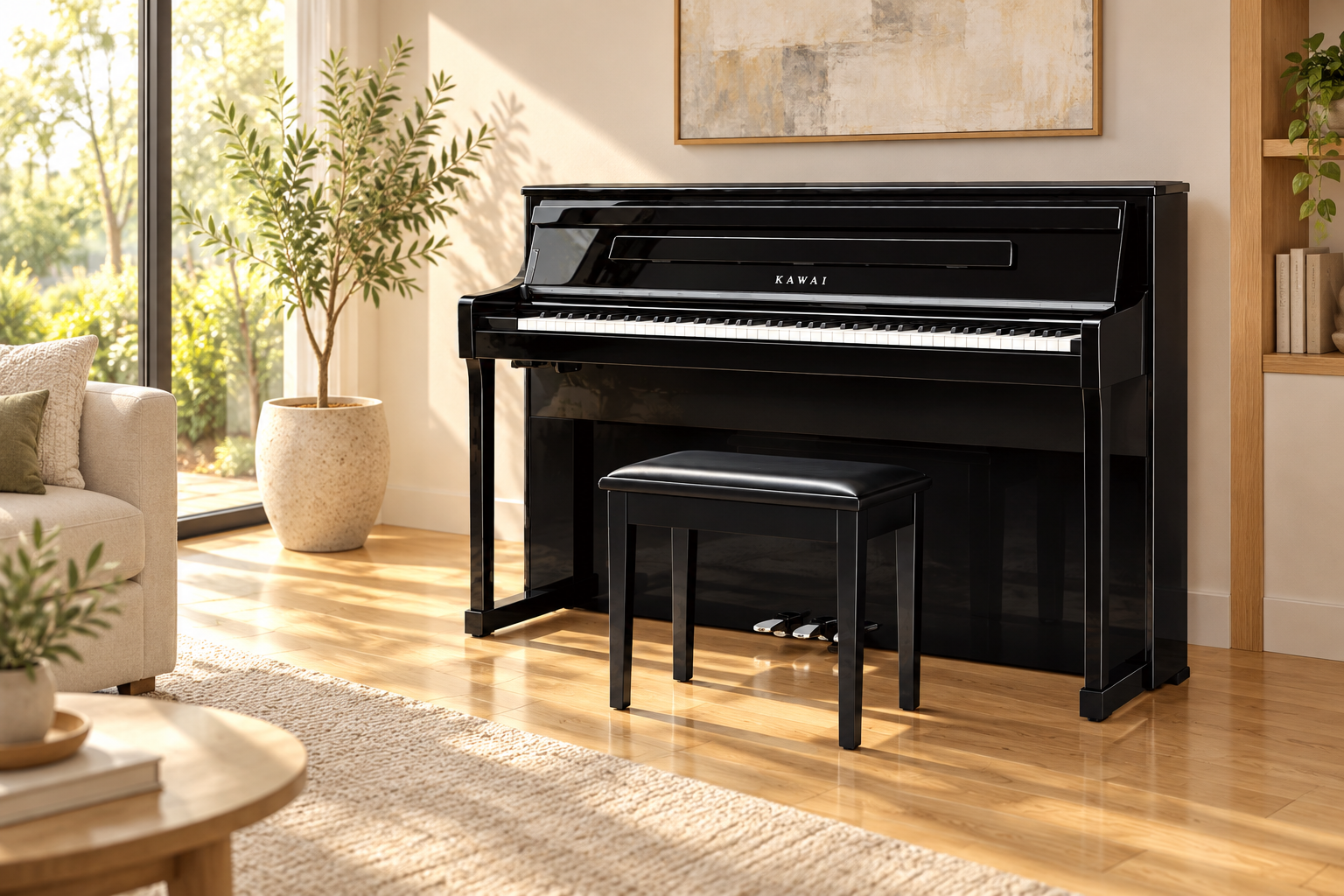
The CA901 combines Grand Feel III action with 88 wooden keys, graded hammers, counterweights, triple-sensor detection, and let-off simulation. Its SK-EX Rendering sound engine combines multichannel piano sampling with resonance modeling. The important question is what you can control: quiet entrances, repeated notes, chord balance, and a melody above a soft accompaniment.
Its most distinctive home-playing feature is the soundboard speaker system. Alongside conventional speakers, it uses a resonating soundboard to contribute to the sound in the room. That gives shoppers a concrete reason to audition it rather than judging only by a recording. It remains a digital piano; the soundboard does not make it an acoustic instrument.
Our judgment: this combination earns the CA901 our top recommendation for a dedicated home piano, especially for players who often use the built-in speakers. If you mostly wear headphones, audition the CA701 before paying for the CA901’s room-sound advantages.
Manufacturer specifications: Kawai CA901
Kawai CA701: prioritize the action without the flagship soundboard
The CA701 uses the Grand Feel III wooden-key action and SK-EX Rendering technology also found in the CA901. Its six-speaker system provides a different playback arrangement, without the CA901’s soundboard speaker system.
That distinction matters. Moving up to the flagship is not necessary simply to obtain Grand Feel III. For a player concentrating on touch, or a family planning regular headphone practice, the CA701 belongs near the top of the shortlist.
What to compare: play the same passage on both models at a similar listening level. Then try your own headphones. Decide whether the CA901’s cabinet and in-room sound justify the difference in your actual quote.
Manufacturer specifications: Kawai CA701 · Explore Worldwide Piano’s digital piano selection
Yamaha CLP-885: a serious alternative with its own musical character
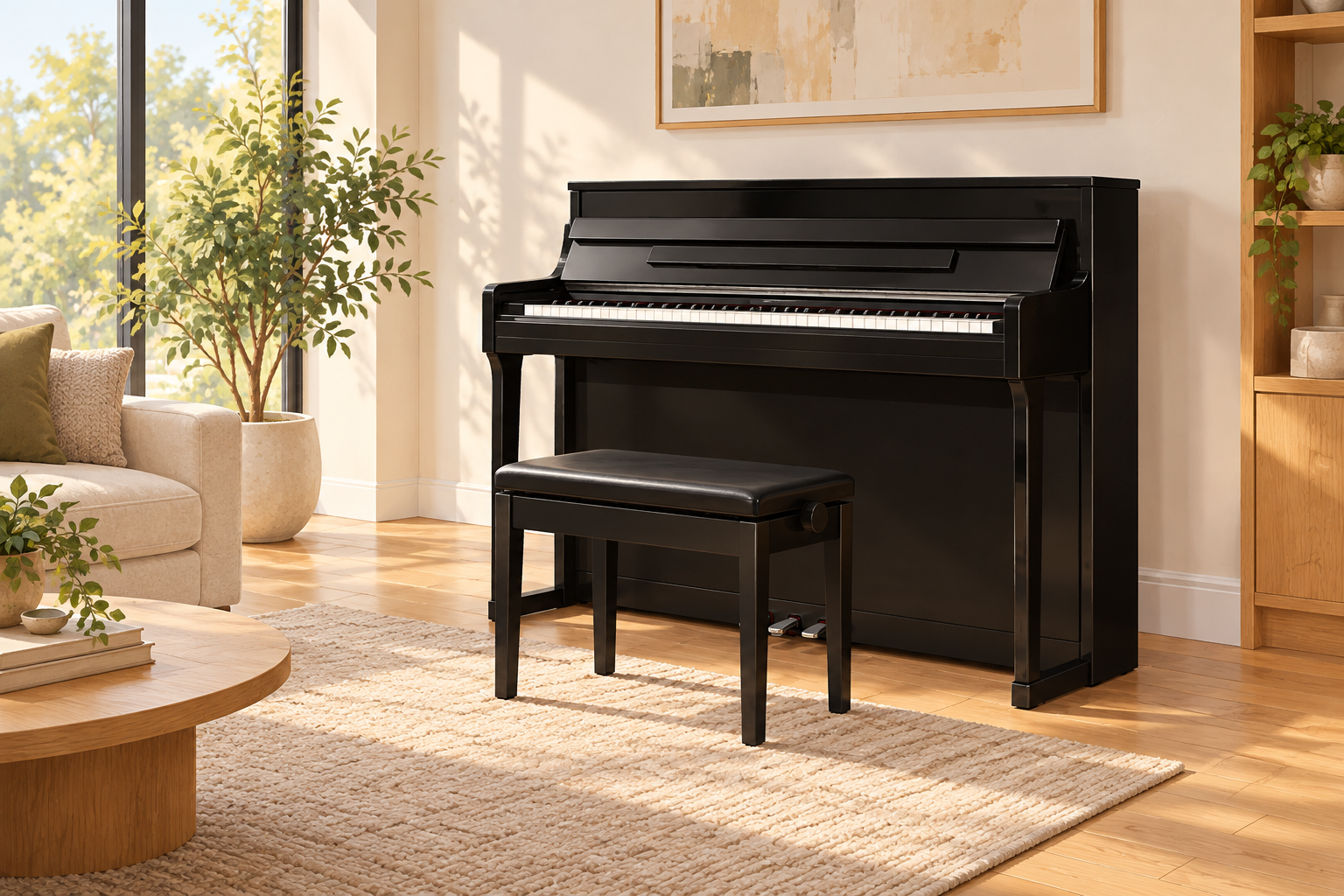
Yamaha’s CLP-885 pairs its GrandTouch keyboard with counterweights, GrandTouch pedals with GP Response Damper, and a three-way speaker system. Its Yamaha CFX and Bösendorfer piano voices, Virtual Resonance Modeling, and Grand Expression Modeling give it a substantial musical foundation. Yamaha’s Smart Pianist app adds another way to access settings and supported practice functions.
Why choose it: you may prefer Yamaha’s piano voices, the GrandTouch response, or the way the instrument and app fit your practice. These are legitimate reasons to choose a Clavinova, even when our own priorities point toward Kawai.
What to compare: try soft playing and passages near the backs of the keys. Listen through speakers and headphones, rather than assuming that a specification advantage automatically produces your favorite playing experience.
Manufacturer details: Yamaha CLP-885
Roland LX-9: modeled sound, expressive controls, and haptic feedback

The LX-9 uses Roland’s Piano Reality Modeling sound engine. Its Hybrid Grand keyboard combines wood and molded materials, and the flagship adds haptic feedback to recreate physical vibration under the fingers. An eight-speaker system and Piano Designer adjustments round out a distinctive approach to the home piano.
Why choose it: players interested in shaping their piano’s response and resonance should hear what Roland’s modeling can do. It offers a different route to expressive sound from the sample-and-modeling combination used by Kawai. Different does not automatically mean better or worse.
What to compare: listen to sustained chords, changing pedal depth, and the transition from very soft to loud playing. Decide whether Roland’s modeled character and haptic response inspire you.
Manufacturer details: Roland LX-9
Three alternatives when the flagship is more than you need
Kawai CA501
The CA501 offers Grand Feel Compact wooden-key action, triple-sensor detection, and Harmonic Imaging XL piano sound. It is a sensible place to begin if you want wooden keys while keeping the purchase below Kawai’s upper Concert Artist models. Its action and sound system differ from the CA701 and CA901, so compare the instruments rather than treating the CA501 as a smaller copy.
Yamaha CLP-845
The CLP-845 combines GrandTouch-S action, GrandTouch pedals, resonance modeling, and a two-way speaker system. It is worth comparing if you like the Clavinova approach but do not need the CLP-885’s flagship package. The different action and playback system are meaningful reasons to try both.
Roland LX-6
The LX-6 shares Piano Reality Modeling and the Hybrid Grand keyboard family with the LX-9, with a five-speaker system and no flagship keyboard haptic feedback. It offers a useful comparison for shoppers attracted to Roland’s sound who can do without the LX-9’s additional cabinet and playback features.
Why Kawai takes our top spot
For this guide, we put control at the keyboard, convincing piano tone, and everyday home playing ahead of a long feature list. Kawai’s upper Concert Artist models fit those priorities particularly well. The CA701 gives shoppers access to the same action family used in the flagship; the CA901 adds a distinctive reason to upgrade for speaker-based playing.
That is our recommendation, not proof that one brand wins every category. Yamaha’s flagship also offers a sophisticated action and concert-grand voices. Roland has a strong case for players who connect with modeled sound. The right instrument is the one that lets you produce the musical result you intend, within a budget you can comfortably afford.
How to compare home digital pianos before buying
- Play quietly first. Check whether soft notes speak predictably and whether you can bring out a melody without making everything louder.
- Use a fair listening level. A louder demonstration can sound more impressive without being the better fit.
- Test your real routine. Bring headphones, try the pedals, and check that the controls are comfortable to use.
- Measure for the player. Allow room for the bench, seated movement, cables, and the delivery route—not just the cabinet.
- Compare complete quotes. Confirm finish, bench, delivery, assembly, warranty coverage, and any applicable promotion. A used or open-box instrument needs its own condition and coverage review.
Digital pianos do not need acoustic string tuning, but keys, pedals, speakers, and electronics can still require service. Ask about support, not just the initial purchase price. Bluetooth audio support also does not automatically mean a piano can send its playing sound to Bluetooth headphones; verify the exact connection you intend to use.
Find the right digital piano for your home
For premium home use, start with our top pick, the Kawai CA901, and compare the CA701 if the action is your main priority. Consider the CA501 when you want to spend less, and give the Yamaha and Roland alternatives a fair audition whenever possible.
Worldwide Piano & Music School in Edison, New Jersey can help you compare suitable Kawai options and explain the differences in plain language. Contact us to confirm which models are currently available to try; this guide does not imply that every competitor model is stocked in our showroom.
Browse digital pianos · Shop current piano inventory · Book a showroom consultation
Call 732-777-7381 or text Rick directly at 863-777-5890 for guidance and a current quote.
Model features, finishes, prices, promotions, and availability can change. Confirm the exact instrument and current terms before purchasing. Generated illustrations are identified in their captions and are not manufacturer product photographs.