
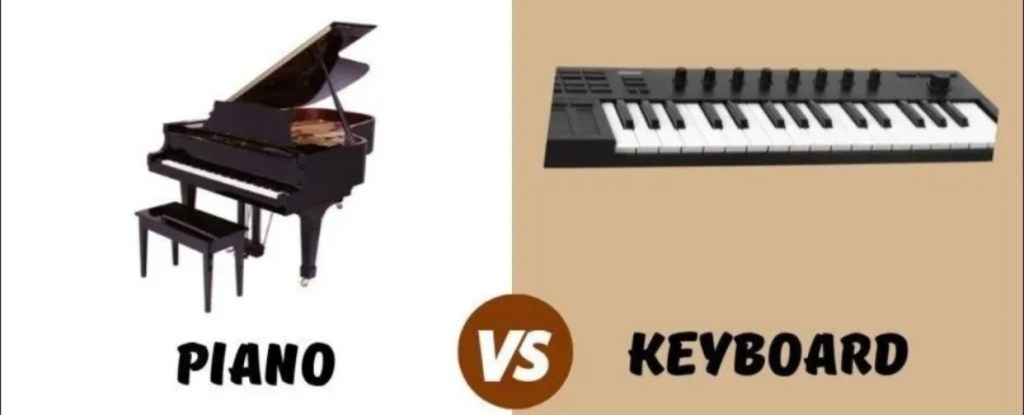
At first glance, all pianos and keyboards may seem alike—a series of black and white keys that produce sound when pressed. But beneath the surface, the differences between an acoustic piano and an inexpensive keyboard are profound.
For those learning to play, the choice of instrument isn’t just about sound quality—it’s about developing proper technique, control, and musical expression. In this article, we’ll explore why an acoustic piano is the superior choice for serious learners and how starting on a low-quality keyboard can hinder progress in ways many don’t realize.
The Key Difference: Action and Touch
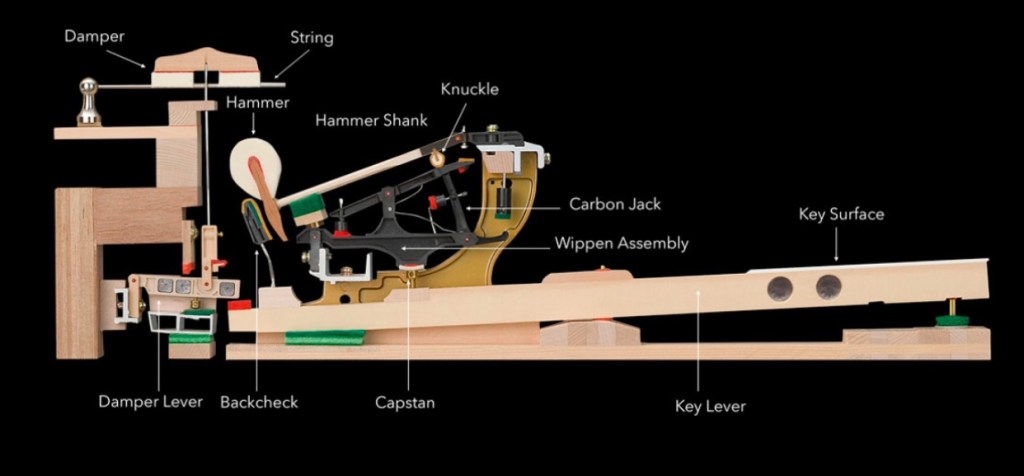
The piano action—the mechanical system that connects the keys to the hammers—is what makes an acoustic piano unique.
When you press a key on an acoustic piano, you’re engaging a real mechanical process:
1. A system of levers transfers the motion to a hammer.
2. The hammer strikes a string, producing a rich, resonant tone.
3. The dampers control the sustain, responding naturally to the player’s touch.
This entire mechanism gives the pianist control over dynamics (volume), articulation (attack and release), and phrasing (musical expression). It also helps develop proper finger strength and independence, essential for advanced piano playing.
What About Keyboards with Weighted Keys?
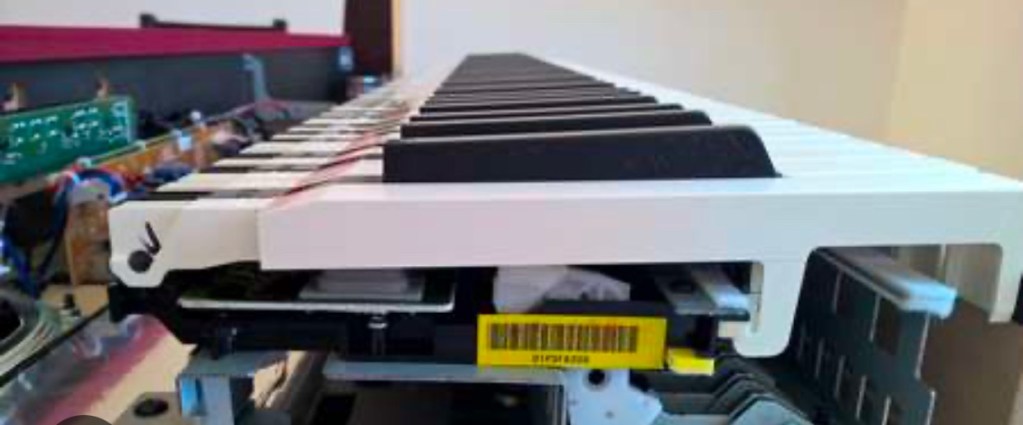
Many digital keyboards advertise weighted keys and touch sensitivity, giving the impression that they are similar to an acoustic piano. While these features are certainly better than a basic, unweighted keyboard, they still fall far short of the experience and benefits of playing on a real acoustic piano.
Why?
• Weighted keys on a keyboard do not replicate the true hammer action of an acoustic piano. Instead, they often use springs or simple counterweights that imitate resistance but lack the full range of motion, escapement, and feedback of an acoustic mechanism.
• Touch sensitivity does not equal dynamic control. Even if a keyboard responds to how hard you press, the difference in sound is digitally programmed, not physically produced. A real piano allows for infinite gradations of tone based on a pianist’s technique—something that no standard digital keyboard can truly replicate.
• The keybed lacks depth and nuance. On an acoustic piano, there is a slight resistance at the beginning of a key press, a “let-off” sensation (escapement), and a responsive rebound after the hammer strikes the string. Most keyboards—even with weighted keys—fail to replicate this complex tactile feedback.
For serious students, a low-cost keyboard with weighted keys is still an inadequate substitute for a real piano. It may help a beginner get started, but in the long run, it hinders progress and creates bad habits that must be corrected later.
What Happens When You Learn on a Cheap Keyboard?
A student practicing on an inexpensive keyboard often encounters these long-term challenges:
1. Weak Finger Strength & Poor Technique
Since a keyboard lacks the proper hammer action and resistance, students do not develop the necessary strength and control in their fingers.
• Their hands become accustomed to light key presses rather than the full engagement required on an acoustic piano.
• When they transition to a real piano, they struggle to articulate notes properly, lacking the stamina and dexterity needed for advanced repertoire.
2. Limited Dynamic Control
On a real piano, playing softly or loudly is a result of how the hammer strikes the string. A cheap keyboard uses pre-recorded samples, meaning the dynamic range is artificially programmed rather than physically produced.
• A student learning on a keyboard misses out on true expressive control, making their playing sound flat and mechanical.
• Without proper exposure to real acoustic dynamics, their ability to interpret music expressively is stunted.
3. Difficulty Transitioning to an Acoustic Piano
Students who start on an inexpensive keyboard often find it jarring when they move to a real piano. They must suddenly:
• Adjust to the added weight and depth of acoustic piano keys.
• Learn nuanced touch control that they never developed on the keyboard.
• Develop better articulation, finger strength, and coordination—skills that would have come naturally had they started on an acoustic instrument.
What About High-End Digital Pianos and Hybrid Pianos?
While an acoustic piano remains the best option for learning, not everyone has the space or budget for one. In that case, a high-quality digital piano or hybrid piano is a far better alternative than an inexpensive keyboard.
Best Digital Piano Options for Serious Learners
• High-End Digital Pianos – Instruments like the Kawai CA501 or Yamaha CLP-785 offer highly realistic key actions and advanced sound engines that closely mimic an acoustic piano. While still digital, they provide a much more authentic playing experience compared to lower-end keyboards.
• Hybrid Pianos – These are the closest digital instruments to an acoustic piano. Models like the Kawai NV6 or NV10S feature real acoustic hammer actions (not just weighted keys) but use digital sound engines instead of strings. This provides an authentic touch experience while eliminating tuning and maintenance concerns.
If an acoustic piano is not an option, investing in a high-quality digital or hybrid piano will give students a far better foundation than an inexpensive keyboard.
Conclusion: Invest in the Right Foundation
Learning piano on an acoustic instrument isn’t just about sound—it’s about developing the right technique, strength, and musical expression from day one.
A serious pianist needs an instrument that responds, challenges, and inspires.
• Avoid inexpensive keyboards, even if they have weighted keys and touch sensitivity.
• If an acoustic piano isn’t an option, invest in a high-quality digital or hybrid piano for a more realistic experience.
• The right instrument makes all the difference in a pianist’s long-term success.
Starting on the right piano is not just a purchase—it’s an investment in musical growth.